

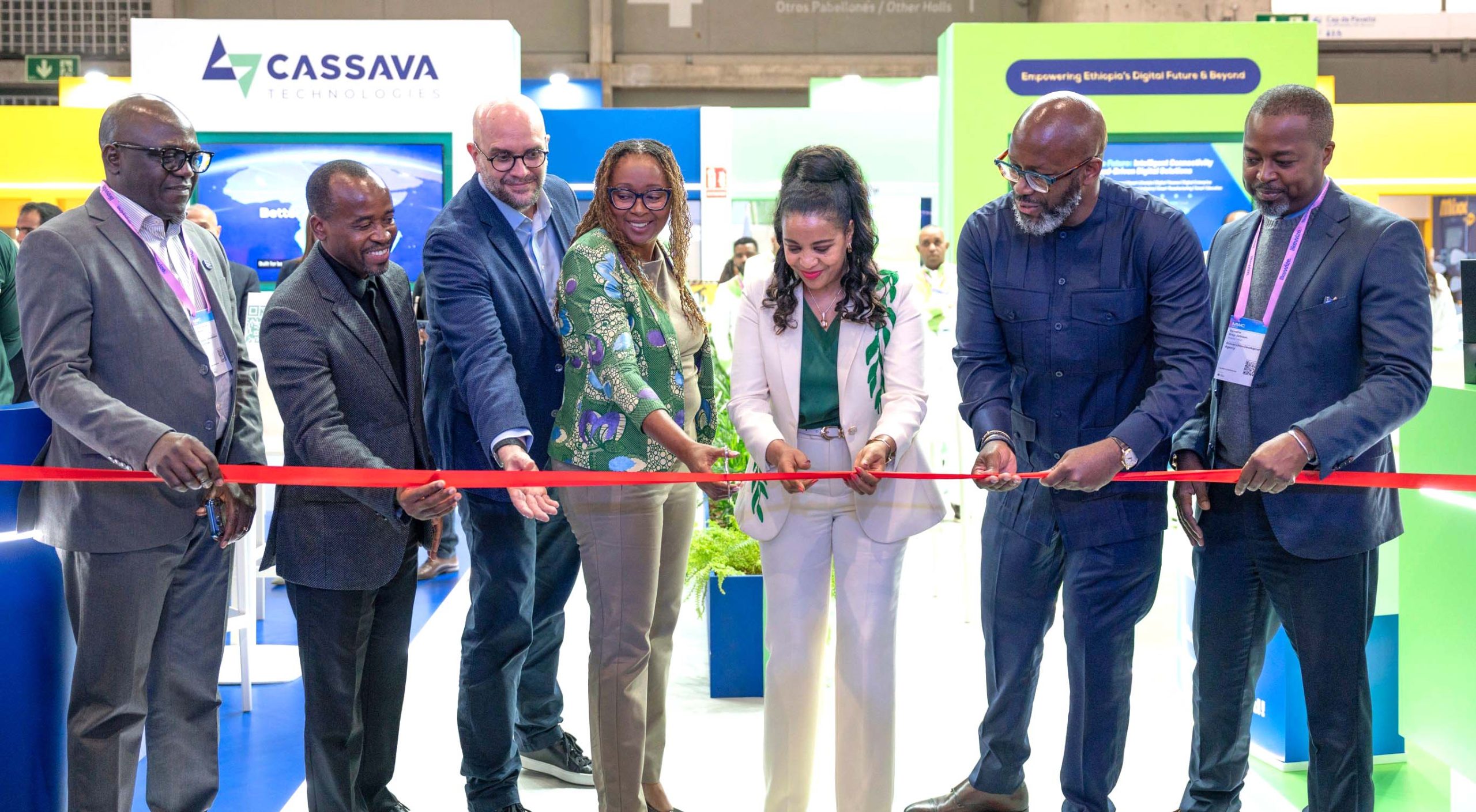
The GSMA today announced that six African countries – Democratic Republic of Congo (DRC), Ethiopia, Nigeria, Rwanda, Tanzania and Uganda – have been identified by the GSMA Handset Affordability Coalition for initial pilots to introduce affordable 4G smartphones and look to Governments to support their efforts. The Memorandum of Understanding (MoU), signed between the GSMA, the G6 group of leading African operators and original equipment manufacturers (OEM) partners, formalises collaboration to pilot affordable entry-level 4G smartphones in Africa in 2026.The pilots build on the minimum requirements for low-cost 4G devices unveiled at MWC Kigali in 2025 and represent a significant step forward in turning industry alignment into tangible, on-the-ground impact.The GSMA Handset Affordability Coalition brings together mobile operators, OEMs, financing institutions and international organisations including the World Bank Group and the ITU. Its objective is to lower the cost of entry-level smartphones worldwide and accelerate digital inclusion in markets where affordability remains a key barrier.However, the current surge in the global cost of memory prices is making it increasingly difficult to attain the critical US$30 – US$40 price range required to unlock mass adoption. Against this economic context and considering that few opportunities exist to lower materials and manufacturing costs for entry-level devices, it has become even more important to reduce or eliminate taxes and import duties on entry-level 4G smartphones. Vivek Badrinath, Director General of the GSMA, said: “Affordable smartphones are the gateway to digital and financial inclusion, economic opportunity and innovation. 3.1 billion people have mobile coverage but are not connected to the mobile internet. Together with the G6 group of leading African operators, we are sending a clear demand signal to bring low-cost 4G devices to market. In a global context of rising memory costs, governments have an important role in bridging the usage gap. Removing taxes and import duties on entry-level 4G smartphones will be critical to achieving scale.”A Vast Untapped OpportunityAfrica remains home to one of the world’s largest mobile internet usage gaps. Millions live within broadband coverage but remain offline, with handset affordability consistently cited as the biggest barrier to adoption. Affordable 4G smartphones at scale could bring tens of millions of people online, unlocking access to education, healthcare, financial services, e-commerce and AI-powered tools.Enabling Local AI InnovationThe impact of rising memory costs extends beyond connectivity. Memory-intensive technologies are essential for on-device AI, local language processing and the growth of regional tech ecosystems.Against this backdrop, the GSMA-led AI Language Models Initiative – built in Africa, by Africa, for Africa – is advancing scalable, locally relevant AI models.


Vistastimes Is an online platform designed to furnish you with current day-to-day news on Bank, Insurance, Tech, Manufacturing, Bakery, Lifestyle, Entertainment, Business etc. Vistas Times welcomes your meaningful contributions towards a better society.
Contact us: vistastimes@gmail.com
© Copyright - Vistas Times Design by Hbox