


In Nigeria, surviving a gunshot should mark the end of danger. But for many Nigerians, it is only the beginning of a nightmare. Victims, often critically injured, arrive at the hospitals seeking urgent care, only to be ignored, delayed or turned away, not because help is impossible but because institutions are afraid, indifferent or trapped in rigid bureaucracy. Beyond the physical agony, the emotional and psychological scars weigh heavily on families who are forced to watch helplessly as the medical institutions that should save lives leave victims suspended between life and death.
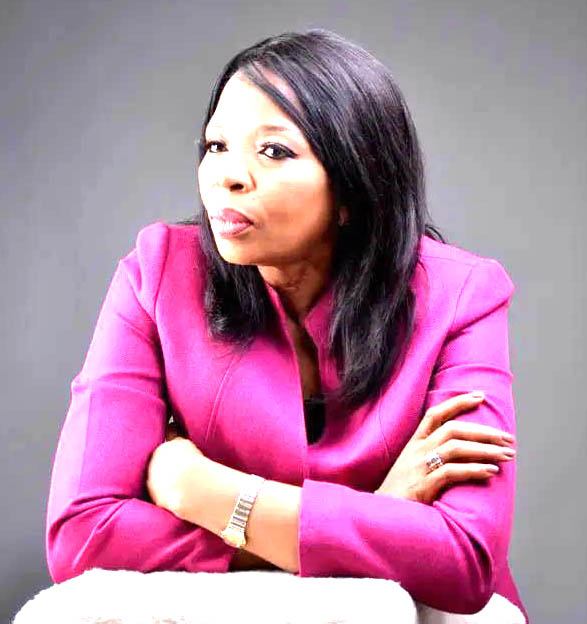
In an exclusive interview with Deputy Crime Editor, Evelyn Usman, Mrs. Gloria Egbuji, founder of the Crime Victims Foundation of Nigeria, CRIVIFON, describes this pattern not as isolated lapses, but as a systemic betrayal that deepens injustice, erodes public trust and perpetuates fear, suffering, and unresolved trauma among some of the country’s most vulnerable citizens. She also explains how her foundation’s campaign has ensured that gunshot victims receive immediate medical attention regardless of their circumstances.
Excerpts:
CRIVIFON has long championed the rights of gunshot victims in Nigeria. Could you walk us through the organisation’s campaign and the impact it has had on ensuring immediate medical care and protection for these victims?
One of our most impactful campaigns has been ensuring that gunshot victims receive immediate medical attention, regardless of their circumstances. Before this advocacy, many victims were turned away from hospitals due to bureaucratic delays, fear of police involvement, or misunderstanding of procedures. CRIVIFON approached the challenge through a combination of legislative advocacy, media mobilisation, public education, and close collaboration with the Nigeria Police Force to clarify protocols for hospitals. We also documented hospitals that refused treatment and engaged lawmakers and civil society partners to push for reform. This sustained effort led to the passage and implementation of the Gunshot Victims Protection Act, which guarantees prompt medical care for all gunshot victims.
What is the current situation regarding the treatment of gunshot victims?
Compliance has improved significantly, although some hospitals still hesitate to provide immediate treatment. To strengthen adherence, we need consistent enforcement of the law, clear penalties for denial of treatment, continuous education for medical practitioners, stronger collaboration between police and hospitals, and greater public awareness about victims’ rights. These measures are essential to ensure that no victim is denied life-saving care or left at the mercy of bureaucratic delays.
What motivated CRIVIFON to focus on gunshot victims specifically?
The motivation was clear. Gunshot victims suffer twice. First, they endure the injury itself, often under traumatic circumstances, and then they face institutional neglect, as many hospitals hesitate to provide care without police clearance or due to fear of legal complications. This was an obvious human-rights violation. Our moral and professional obligation was to protect the vulnerable, enforce their rights, and ensure that medical care is accessible to all victims without fear or delay.
Beyond gunshot victims, how does the foundation support traumatised or threatened victims?
We maintain a comprehensive support system. This includes a confidential hotline for victims to report incidents safely, legal advisory services to guide them through justice processes, safe-house referrals for those fleeing danger, and psychosocial counselling to address trauma. Emergency intervention teams are deployed when immediate action is needed, while partnerships with hospitals, forensic centres, and specialized police units ensure that victims are supported through every stage of their recovery and pursuit of justice. No victim of violent crime is ever left to face their ordeal alone.
How has CRIVIFON’s collaboration with the Nigeria Police Force improved outcomes for victims, including gunshot victims?
The collaboration has been crucial. Through CRIVIFON’s interventions, officers have been trained on human rights, trauma-informed approaches, ethical handling of cases, and proper communication with victims. We designed and established Human-Rights Desks and Gender Desks in police divisions to provide specialized, professional responses to sensitive cases. Our joint initiatives have also facilitated timely interventions in child abuse, domestic violence, and sexual assault cases. The improvements in policing culture, response times, documentation, and confidentiality are evident, and many policing successes in Lagos and across Nigeria can be traced back to CRIVIFON’s early advocacy and capacity-building efforts.
What systemic reforms are still needed within policing and the justice system to better protect victims?
Nigeria urgently needs rights-based policing that respects human dignity while maintaining law and order. Decentralised police operations are necessary to improve response times, alongside the development of forensic investigation capabilities to strengthen prosecutions. Speedier justice delivery, better welfare and training for officers, stronger legal protections for women and children, and community-policing structures rooted in trust are all vital. These reforms will ensure that victims receive fair, timely, and humane treatment while reinforcing public confidence in the justice system.
Tell us how CRIVIFON’s training for police officers impacted the handling of rape, domestic violence, and child-abuse cases?
The impact has been substantial. Officers are now equipped to conduct trauma-informed interviews, ensuring that victims are protected from intimidation and retraumatization. Medical and forensic referrals are handled more efficiently, investigations are professional and evidence-driven, and confidentiality is strictly maintained. Officers are better versed in relevant laws such as the Child Rights Act and the Violence Against Persons VAPP Act, which strengthens both prosecutions and victims’ confidence in the system.
Can you cite instances where CRIVIFON’s interventions directly changed outcomes for victims?
Certainly. There have been numerous instances where rapid intervention led to justice. Child-defilement cases were expedited, resulting in arrests and convictions. Women fleeing violent spouses received protection and safe housing. Cases of rape that were initially dismissed or mishandled were reopened and properly prosecuted. Abused children were reunited with supportive families while perpetrators faced the full weight of the law. Each success reinforces the critical role of coordinated victim advocacy.
What is CRIVIFON’s long-term vision?
Our vision is to strengthen nationwide police reforms and expand Human-Rights and Gender Desks to every police division. We aim to scale up victim-support centres across all states and deepen partnerships with the Ministry of Justice, the DPP, NHRC, and other related agencies. Initiatives like Project HE-For-Me promote gender equality and male involvement in human-rights advocacy. We are also working to build trauma centres dedicated to victims of violent crime. Ultimately, CRIVIFON is committed to ensuring that every Nigerian, regardless of age, sex, or background, can access justice without fear or intimidation, while fostering a humane police culture and a safer society for all.
