 Emeka Moses
Africa is sitting on the world’s highest concentration of critical minerals and could be squandering its biggest source of global leverage by letting individual countries cut separate deals instead of negotiating as a bloc, MTN Group Chairman Mcebisi Jonas has warned.
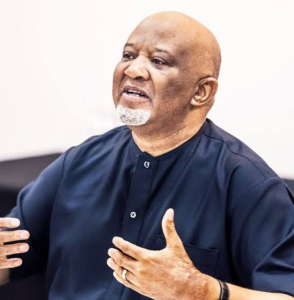
Jonas issued the warning while addressing Fellows of the fifth cohort of the MTN Media Innovation Programme (MTN MIP), currently on a study trip to South Africa, during a session on Africa’s geopolitical position amid intensifying global competition for strategic resources.
“We have the highest concentration of minerals in the world, particularly critical minerals, and we have a very growing young population,” Jonas said, naming the two as Africa’s core leverage points in the global economy.
The stakes are immediate. Electric vehicle production, battery manufacturing, semiconductors and renewable energy infrastructure all depend on minerals concentrated on the continent, and major economies have been moving aggressively to lock down long-term supply access. Jonas’s message: how Africa negotiates that access matters as much as how much of it there is.
“Negotiating individually could weaken Africa’s influence and bargaining power,” he said.
Countries going it alone, he argued, hand away exactly the advantage the continent should be consolidating. “If we can use that collective strength effectively, it will take us somewhere.”
It’s a direct challenge to the status quo. Critical minerals deals across Africa have overwhelmingly been struck country-by-country; a pattern Jonas is now calling out as a strategic liability rather than business as usual, at a moment when foreign powers are competing hardest for access.
Jonas, who chairs one of Africa’s largest telecom operators, framed the stakes in commercial as well as continental terms: MTN’s own fortunes, he said, rise or fall with Africa’s. “MTN cannot thrive if Africa doesn’t thrive.”