
An international research team led by Nanyang Technological University, Singapore (NTU Singapore), has identified a promising way to help chronic wounds heal faster, including wounds infected with antibiotic resistant bacteria, offering a breakthrough for millions of patients suffering from diabetic ulcers and antibiotic-resistant infections.The study, led by Nanyang Technological University (NTU Singapore) and the University of Geneva, reveals that a common bacterium doesn’t just infect wounds—it actively sabotages the body’s repair machinery.The research focused on Enterococcus faecalis, a bacterium frequently found in non-healing wounds. Unlike other pathogens that use toxins to attack tissue, E. faecalis employs a “metabolic weapon” called extracellular electron transport (EET).This process continuously churns out hydrogen peroxide, creating a zone of intense oxidative stress around the wound. This stress triggers a protective standby mode in human skin cells (keratinocytes) known as the “unfolded protein response.”While intended to help cells survive damage, this response effectively freezes them in place, preventing them from migrating to seal the wound.“The bacteria’s metabolism itself is the weapon, it was a surprise finding previously unknown to scientists,” said Associate Professor Guillaume Thibault of NTU.The discovery points to a paradigm shift in wound care. As antibiotic resistance makes it harder to kill bacteria directly, researchers suggest a “diplomatic” alternative: neutralizing the harmful byproducts instead of the bugs themselves.In laboratory tests, the team applied catalase—a naturally occurring antioxidant enzyme—to the infected area. The results were immediate: The enzyme broke down the hydrogen peroxide, clearing the chemical “fog.” Skin cells regained their mobility and began migrating to close the wound.Because the treatment targets the byproduct rather than the bacteria, it remains effective even against antibiotic-resistant strains.Chronic wounds, such as diabetic foot ulcers, affect nearly 19 million people globally each year and are a leading cause of amputations.Because antioxidants like catalase are already well-understood and widely used in other medical fields, the team believes this treatment could reach patients faster than traditional drug development.Future treatments may include antioxidant-infused dressings specifically designed to “unfreeze” the body’s natural healing process. These long lasting wounds are a leading cause of lower limb amputations.Ongoing infections often make healing even harder, trapping patients in a cycle of repeated complications.The findings were published in Science Advances in collaboration with researchers from the University of Geneva, Switzerland.The study reveals how a widespread bacterium, Enterococcus faecalis (E. faecalis), can actively interfere with the body’s ability to heal wounds. The team also showed that blocking this process allows skin cells to recover and close wounds.
Scientists discover why some wounds refuse to heal
by  Emeka Moses
Emeka Moses 



Latest from Health

Cece Yara, experts blame poverty, injustice for child domestic workers
Child Advocacy Centre, Cece Yara, stakeholders have identified poverty and lack of economic empowerment as factors increasing child labour in the country. The stakeholders also decried poor case reporting, cultural factors, absence of support services, stigmatisation and isolation of victims as major
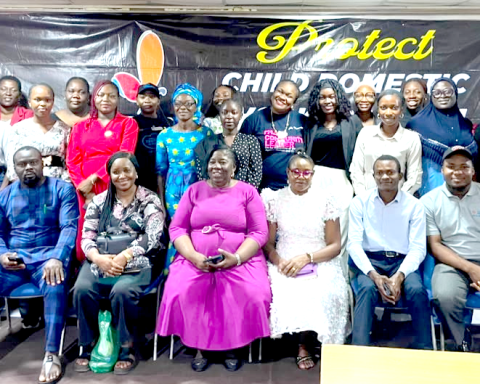
Child protection workers need self-care, seasonal training — CECE YARA
Child protection practitioners have been urged to prioritise self-care and continual professional development to prevent burnout and ensure effective support for children and survivors of abuse. The call was made at a training workshop organised by Cece Yara Child Advocacy Centre at

FG vows zero tolerance for health-sector corruption
Federal Government has declared zero tolerance for corruption in the health sector, warning that diversion of healthcare resources could cost lives and undermine efforts to improve services nationwide across the country. The Coordinating Minister of Health and Social Welfare, Prof. Muhammad

LUTH urges concerted supports toward effective breastfeeding practice in Nigeria
The Lagos University Teaching Hospital (LUTH), in commemoration of World Breastfeeding Week 2026, has called for concerted efforts and supports of all stakeholders to promote effective breastfeeding practice in Nigeria. The event, organised by the Paediatric Department, LUTH, had the theme: “Breastfeeding

UNICEF, Bayelsa, LDS Church Unite to Combat Malnutrition in First 1,000 Days
The United Nations Children’s Fund (UNICEF), Bayelsa State government and The Church of Jesus Christ of Latter-day Saints have launched a N280-million partnership to tackle child malnutrition and safeguard the first 1,000 days of children’s lives across the state. The partnership