Union Bank of Nigeria has issued a statement reaffirming its steadfast position in the course of ongoing regulatory engagements in response to recent media queries at the Central Bank of Nigeria’s (CBN) 304th Monetary Policy Committee (MPC) press briefing.The bank’s affirmation comes in the wake of Governor Olayemi Cardoso’s clarification on the regulatory framework governing institutions under intervention while speaking on the complexities and structural considerations influencing the recapitalisation timeline.According to the CBN Governor, institutions currently under regulatory oversight are subject to unique circumstances that necessitate a differentiated approach, distinct from those institutions that have had an extended period to prepare for recapitalisation. This clarification was made in direct response to queries raised by journalists seeking insight into the operational status of banks under intervention.Union Bank’s Chief Brand and Marketing Officer, Mrs Olufunmilola Aluko, explained that the CBN Governor’s remarks align with Union Bank’s consistent messaging to stakeholders. She reiterated that Union Bank remains a going concern with stable operations, resilient franchise and uninterrupted service delivery.“The Governor’s remarks reinforce what has consistently been our position in all engagements with stakeholders. Union Bank remains under strong regulatory oversight and active supervisory engagement. The Bank is a going concern with a resilient franchise, stable operations and uninterrupted service delivery across all channels.We have maintained, and continue to maintain, that all customer deposits are safe and secure. That position has not changed. The Bank continues to operate within the established regulatory framework, working transparently and constructively with the Central Bank of Nigeria towards full compliance in line with the applicable structure.”The bank is working constructively with the Central Bank towards full compliance, as part of a system-wide recapitalisation programme aimed at strengthening Nigeria’s banking sector. Union Bank will provide updates as regulatory engagements progress while maintaining its commitment to customer protection, financial stability and service continuity.
Union Bank responds to Cardoso’s remarks at MPC meeting with calm assurance
by  Emeka Moses
Emeka Moses 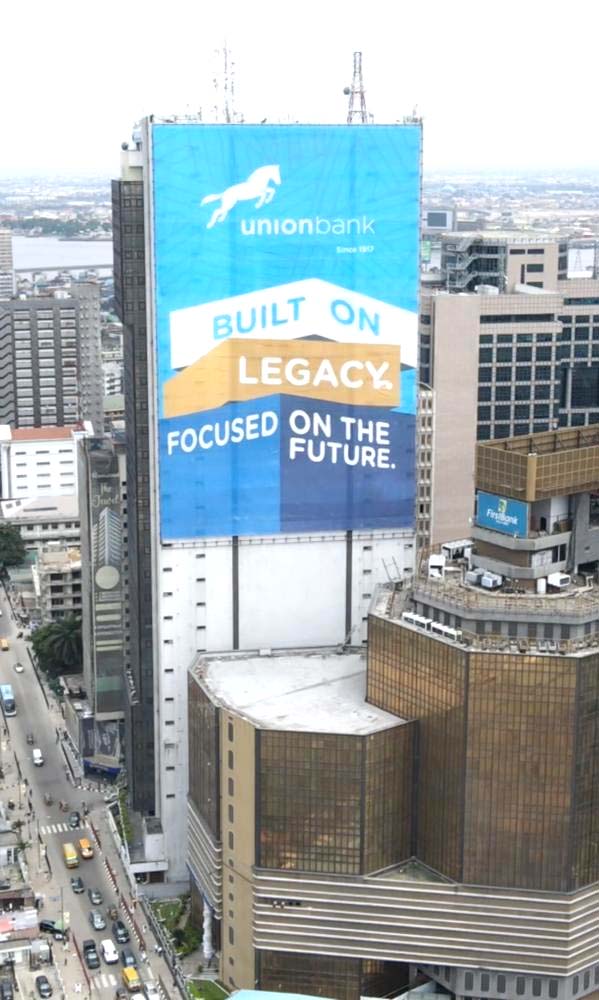



Latest from Banking
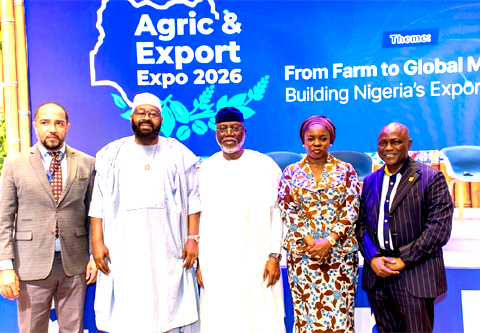
FirstBank Agric & Export Expo 2026 calls for investment, collaboration of regulators, policymakers, stakeholders to promote sector
Nigeria’s non-oil and agricultural export sectors remain critical drivers of economic growth, diversification and sustainable job creation. With the right investments, partnerships and policy support, both sectors possess significant potential to strengthen the country’s competitiveness in global markets. Initiatives such as the
Polaris Bank Takes Customer Service to “The Extra Mile”
Polaris Bank is set to join organisations around the world in celebrating the 2026 Customer Service Week, holding from October 5 to 9, under the theme, “The Extra Mile.” For Polaris Bank, the theme represents a continuation of its longstanding commitment to
Debit Card vs Credit Card: How to Choose the Right Card for Every Expense
Understanding what happens to your money after a payment is just as important as completing the transaction. Picture a professional preparing for a trip. The flight must be booked, the hotel needs to be paid for and regular household expenses have not
Subscribe to Dangote Refinery IPO in Under Two Minutes Through Fidelity Bank
Investors seeking to subscribe to the Dangote Petroleum Refinery IPO can complete the process in less than two minutes through Fidelity Bank’s digital channels. The Bank has provided multiple subscription options designed to serve existing Fidelity Bank customers, corporate organisations and non-customers
How Fidelity Bank PAPSS Is Helping Nigerian Businesses Trade Across Africa
For many Nigerian businesses, the next growth opportunity may be located beyond the country. A fashion entrepreneur may source premium fabrics from Ghana. A pharmaceutical distributor may purchase essential products from Kenya. A manufacturer may pay suppliers across several African markets, while