

The Executive Director, IRISE, Mrs Omodele Ibitoye-Ejeh, made the call at a two-day media evaluation and roundtable in Lagos.
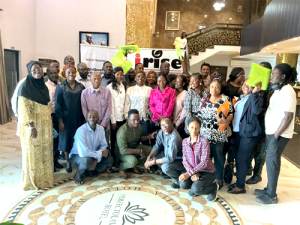
The event reviewed the impact of media reportage on SRHR. It also provided an opportunity for media partners to assess progress since IRISE’s February 2026 training on rights-based and evidence-driven SRHR reporting.
The evaluation was designed to identify challenges, share reporting experiences and develop practical approaches for improving SRHR reportage and its impact on society.
Ibitoye-Ejeh, who is also the Country Coordinator for One Million Rising, a global movement to end gender-based violence, urged journalists to avoid survivor-blaming narratives.
She said journalists should use data and simple language to communicate SRHR issues effectively and correct misinformation in the media space.
“Media plays a critical role in shaping societal understanding of sensitive issues, including abortion and survivors of sexual violence,” she said.
Ibitoye-Ejeh decried misinformation circulated by bloggers and urged professional journalists to remain visible in the media space to counter inaccurate narratives on SRHR.
She also called for greater attention to stigma and survivor-blaming in reports on sexual violence, stressing the need to hold perpetrators accountable and support survivors.
Mr Cyracus Nnaji, a resource person, explained to the importance of ethical reporting in cases involving survivors of sexual and gender-based violence.
Nnaji urged journalists to avoid judgmental language and ensure that reports did not expose survivors to further trauma.
He defined SRHR from a human rights perspective as the right of every person to make decisions about their body without discrimination.
He added that the concept included access to quality reproductive health services, bodily autonomy and dignity.
“Ethical reporting should not be judgmental. Journalists should focus on the perpetrators and the offence committed rather than the survivor’s actions or behaviour,” he said.
Nnaji also stressed the need to obtain survivors’ consent before publishing their stories and warned against exposing explicit details that could cause further stigma.